
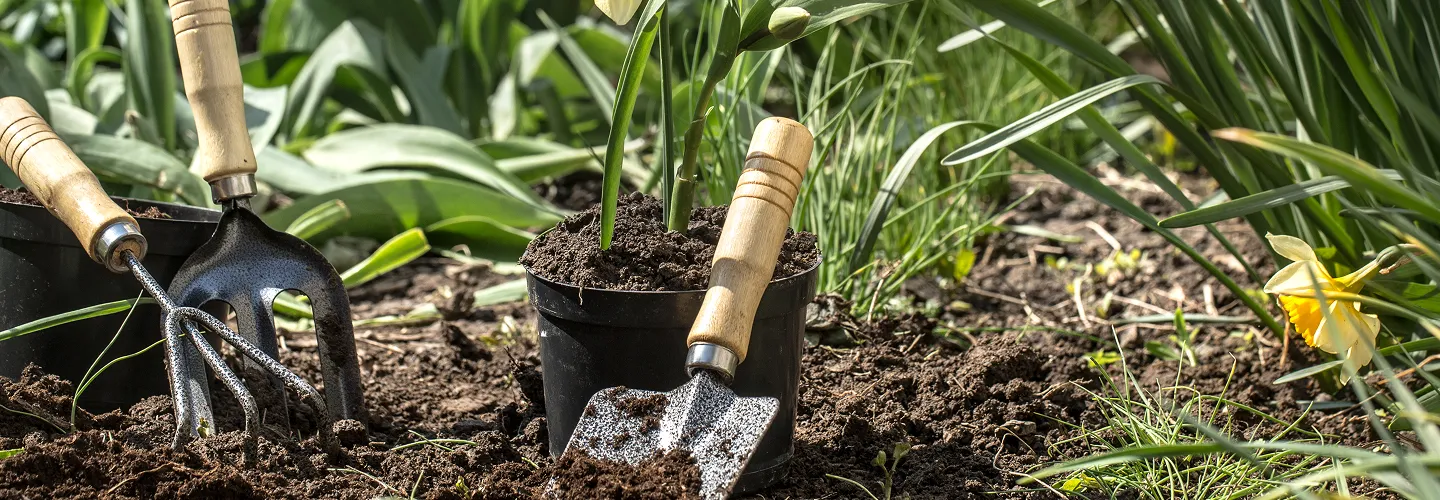
Dunedin Flower Planting Services
Choose our flower planting services for vibrant, long-lasting blooms and professional care that transforms your outdoor space into a colorful oasis.
Get a Free QuoteOur Dunedin Landscaping & Yard Care Services
When to Schedule Flower Planting in Dunedin, Florida – Seasonal Guide
In Dunedin, Florida, timing your flower planting is crucial for vibrant, long-lasting blooms. The region’s subtropical climate means mild winters and hot, humid summers, making late winter through early spring the optimal window for most flower varieties. Planting during this period allows roots to establish before the intense summer heat arrives. Neighborhoods like Edgewater Drive and Hammock Park benefit from proximity to the Gulf, which moderates temperature swings and reduces frost risk, but inland areas may experience brief cold snaps, so always check local frost dates before planting.
Local environmental factors such as sandy soils, high humidity, and occasional droughts play a significant role in flower selection and planting schedules. Areas with dense tree coverage, like those near Weaver Park, may require shade-tolerant species, while open, sun-drenched yards can support a wider range of blooms. For more detailed guidance on local planting conditions, consult resources like the Sudbury municipal site, which offers helpful landscaping tips.
Local Factors to Consider for Flower Planting in Dunedin
- Tree density and available sunlight
- Soil type and drainage (sandy vs. loamy)
- Proximity to the Gulf and microclimate effects
- Average precipitation and drought risk
- Municipal watering restrictions
- Terrain and elevation (especially in coastal neighborhoods)
- Shade coverage from mature landscaping
Benefits of Flower Planting in Dunedin
Expert Local Knowledge
Customized Landscape Designs
Seasonal Plant Selection
Enhanced Curb Appeal
Eco-Friendly Practices
Reliable Maintenance Services
Dunedin Flower Planting Types

Perennial Flower Beds
-
Annual Flower Displays
-
Native Wildflower Gardens
-
Seasonal Bulb Plantings
-
Pollinator-Friendly Plantings
-
Shade Garden Flowers
-
Drought-Tolerant Flower Beds
Our Flower Planting Process
Site Evaluation
Soil Preparation
Plant Selection
Careful Planting
Watering and Mulching
Why Choose Dunedin Landscape Services
-
Dunedin Homeowners Trust Us
-
Expert Lawn Maintenance
-
Reliable Scheduling
-
Competitive Pricing
-
Professional Team
-
Satisfaction Guarantee
-
Personalized Service
Coordinating Flower Planting with Dunedin’s Parks and Public Spaces Management
Flower planting in Dunedin, FL, often intersects with city-managed landscapes, medians, and public right-of-way areas. Residents and property managers planning installations near public spaces should coordinate with the Dunedin Parks & Recreation Department to ensure plantings do not interfere with city maintenance, irrigation systems, or scheduled landscaping activities. For projects adjacent to public parks or along city-maintained corridors, advance notification and review may be required to prevent conflicts with municipal mowing, irrigation, or seasonal color changeouts. The city may also provide guidance on species selection to support pollinator habitats and Florida-Friendly Landscaping™ principles. For plantings within private property but near public infrastructure, it is important to avoid obstructing sightlines or encroaching on utility easements.
Dunedin FL Parks & Recreation
1920 Pinehurst Rd, Dunedin, FL 34698
Phone: (727) 812-4530
Official Website: Dunedin FL Parks & Recreation
How Dunedin’s Gulf Coast Climate and Soils Shape Flower Planting Success
Dunedin is situated on Florida’s Gulf Coast, characterized by a humid subtropical climate, high summer heat, and a pronounced wet season from June through September. The city’s soils are predominantly sandy and well-drained, as confirmed by the USDA Web Soil Survey, which can lead to rapid drying and nutrient leaching. These conditions influence flower selection and maintenance in several ways:
- Many annuals and perennials require supplemental irrigation, especially during spring dry spells or in exposed, sun-baked locations.
- Salt exposure is a concern for plantings near the Intracoastal Waterway or coastal neighborhoods, necessitating salt-tolerant species.
- The high water table in some low-lying areas can cause root stress or fungal issues, particularly during the wet season.
Selecting regionally adapted species and grouping plants by water needs (hydrozoning) are essential for long-term success. The USDA Plant Hardiness Zone Map places Dunedin in Zone 10a, supporting a wide palette of subtropical and tropical flowers.
Regulatory Considerations and Environmental Compliance for Flower Planting in Dunedin
Flower planting in Dunedin is subject to several layers of municipal and state oversight, particularly when projects are near public rights-of-way, stormwater features, or environmentally sensitive areas. The Dunedin Community Development Department reviews landscape plans for new developments and may require adherence to city codes regarding plant selection, spacing, and visibility at intersections. For projects impacting swales, storm drains, or retention areas, compliance with Florida DEP’s NPDES Stormwater Program is essential to prevent runoff of soil, mulch, or fertilizers into waterways. The Florida Statutes §403.9337 - Model Ordinance for Florida-Friendly Fertilizer Use on Urban Landscapes may also apply, especially regarding fertilizer blackout periods and application setbacks from water bodies. Always verify current requirements with the city before beginning large-scale or public-facing plantings.
Dunedin FL Community Development
737 Louden Ave, Dunedin, FL 34698
Phone: (727) 298-3198
Official Website: Dunedin FL Community Development
Professional Flower Planting Methods and Seasonal Timing in Dunedin’s Coastal Setting
Effective flower planting in Dunedin requires careful attention to timing, soil preparation, and irrigation management. The optimal planting windows for most annuals and perennials are late winter through early spring and again in early fall, avoiding the peak of summer heat and heavy rainfall. Key professional standards include:
- Amending sandy soils with organic matter to improve moisture retention and nutrient availability.
- Installing drip or micro-irrigation systems to deliver water efficiently and reduce runoff, as recommended by EPA WaterSense Outdoors.
- Applying mulch at a depth of 2-3 inches to moderate soil temperature and suppress weeds, while keeping mulch clear of storm drains and swales.
- Selecting salt-tolerant and humidity-resistant species for exposed or coastal sites.
Routine inspection for fungal issues is important during the wet season, and all plantings should be monitored for irrigation overspray onto hardscape or public right-of-way.
What Neighborhoods Do We Serve Throughout Dunedin, FL?
- Downtown Dunedin This area features mature landscaping, smaller lots, and frequent public plantings along walkable corridors.
- Curlew Landings A waterfront community where salt exposure and drainage into the Intracoastal Waterway are key considerations for flower beds.
- Fairway Estates Known for larger lots and established shade trees, requiring shade-tolerant and drought-adapted flower selections.
- Dunedin Isles Coastal proximity and sandy soils make irrigation and salt-tolerant species essential for successful plantings.
- Spanish Trails Subdivision fill soils and newer construction may present compaction and drainage challenges for flower beds.
- Weathersfield Features HOA-managed common areas and irrigation-intensive landscapes, with a focus on uniformity and seasonal color.
- Edgewater Drive Corridor Urban core context with high pedestrian traffic and city-maintained medians, requiring coordination for public-facing plantings.